

Iraq Names Businessman Ali al-Zaidi as Prime Minister-Designate Amid Political Pressure

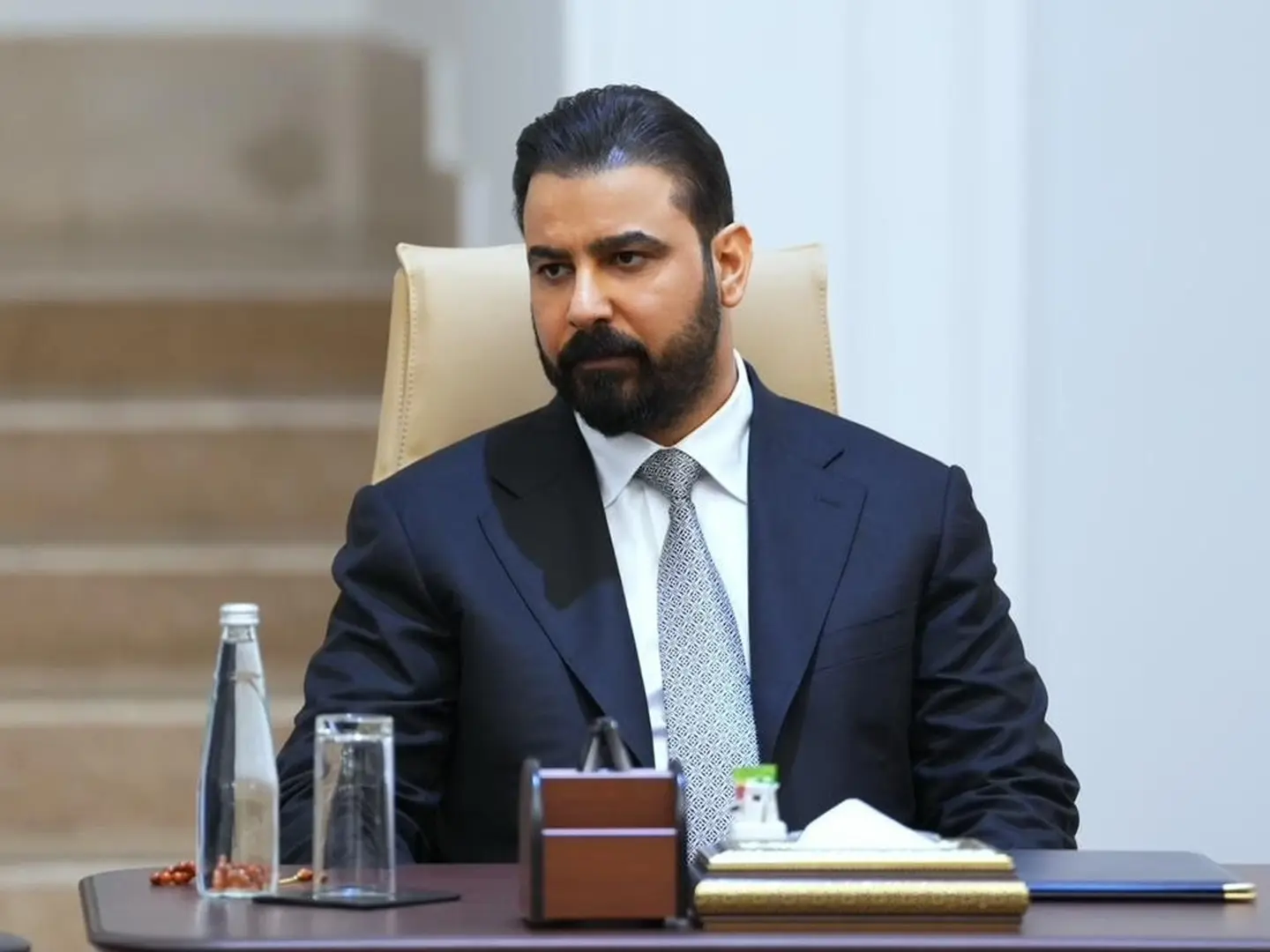
Iraq’s president, Nizar Amede, has nominated businessman Ali al-Zaidi as prime minister-designate, marking a significant development in the country’s prolonged political negotiations.
The appointment follows weeks of deadlock among Iraq’s political factions, particularly within the Coordination Framework, a coalition of Shiite groups with varying ties to Iran. The alliance had initially supported former prime minister Nouri al-Maliki, but mounting pressure from U.S. President Donald Trump prompted a shift in direction.
Washington had warned Baghdad of potential consequences, including cutting support, if Maliki—widely seen as aligned with Tehran—returned to power. The ultimatum pushed Iraqi leaders to seek a compromise candidate, eventually leading to Zaidi’s nomination.
In an official statement, the presidency confirmed that Zaidi, representing the largest parliamentary bloc, has been tasked with forming a government. He now has 30 days to assemble a کابینه, though such deadlines are often missed in Iraq’s complex political landscape.
The Coordination Framework endorsed the nomination shortly before the announcement, commending both Maliki and caretaker Prime Minister Mohammed Shia al-Sudani for stepping aside to ease the process. Maliki has since pledged his support for Zaidi’s efforts.
Zaidi, a banker and media entrepreneur with no prior government experience, is considered a consensus figure. If successful, he will become Iraq’s youngest prime minister at age 40. Analysts suggest his background in finance and media could help him navigate political alliances and public opinion.
The leadership transition comes at a delicate moment. Iraq continues to balance relations between the United States and Iran, a challenge that has defined its politics since the 2003 U.S.-led invasion that toppled Saddam Hussein.
Recent regional tensions have further complicated the situation. Iraq was drawn into a broader conflict sparked by a joint U.S.-Israeli strike on Iran, leading to retaliatory attacks on U.S. assets and Iran-backed groups within Iraqi territory. Political negotiations had slowed during the conflict, only resuming after a fragile ceasefire took effect earlier this month.
The incoming government will face multiple challenges, including pressure from Washington to disarm Iran-backed militias and repair strained ties with Gulf nations. Domestically, economic concerns loom large, particularly after disruptions to oil exports—responsible for about 90 percent of state revenue—impacted national income.
Despite relative stability in recent years, Iraq’s political environment remains volatile, shaped by internal divisions and regional power struggles. Zaidi’s ability to form a government and navigate these pressures will be closely watched in the coming weeks.
