

Lagos Plans Electric Ferries, Expanded Waterways to Tackle Transport Gridlock

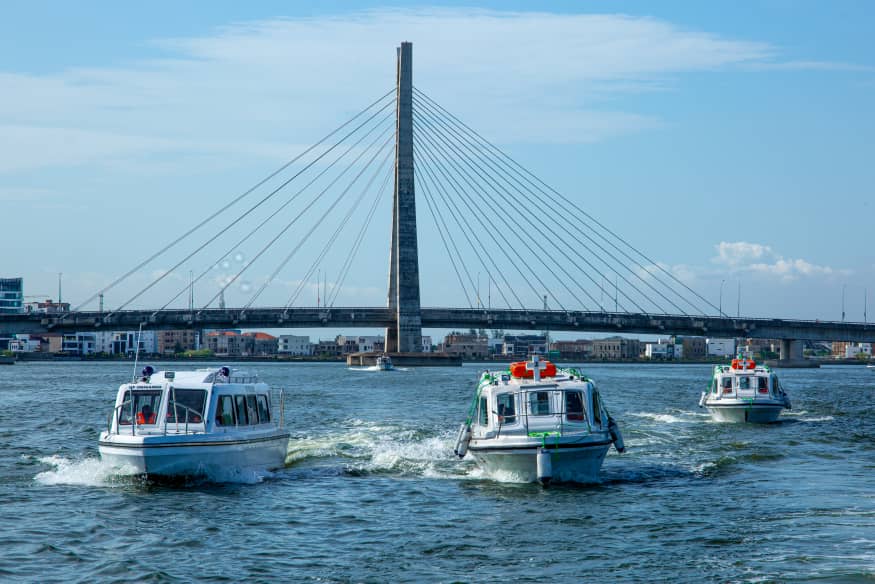
The Lagos State Government is rolling out an ambitious five-year plan to transform water transportation, introducing electric ferries, expanding inland waterways, and linking ferry services with road and rail networks to ease chronic traffic congestion.
Oluwadamilola Emmanuel, Special Adviser on Marine and Blue Economy and General Manager of the Lagos State Waterways Authority, said the initiative will focus on safer, faster, and more sustainable travel across the state.
The plan includes dredging about 140 kilometers of waterways, upgrading ferry terminals, and improving operational capacity. Authorities aim to create a fully interconnected transport system linking eastern, western, and central parts of Lagos.
Pilot electric ferry services are already underway and have shown promising results, Emmanuel said. The government is also working to transition existing vessels from traditional fuel to compressed natural gas (CNG) as part of a broader push toward cleaner energy.
While acknowledging that water transport is currently more expensive than road travel, Emmanuel noted that it offers faster commute times and could significantly reduce pressure on the city’s congested roads.
Key intermodal hubs are being developed at Mile 2 and Marina, where ferry, rail, and bus services will connect to enable smoother passenger movement.
Safety improvements have also been recorded, with fewer accidents attributed to better infrastructure, stricter regulation, and ongoing engagement with operators. Lagos waterways currently handle between 1.5 million and 2 million passenger trips each month.
Officials say environmental concerns are also being addressed through partnerships aimed at reducing marine pollution, particularly plastic waste, and converting invasive water hyacinth into useful products.
Moses Ebosele, President of the Shipping Correspondents Association of Nigeria, called for stronger collaboration with the media to raise public awareness and improve outreach, especially in underserved communities.
The initiative is part of broader efforts to develop a sustainable blue economy while improving mobility in one of Africa’s fastest-growing cities.
