


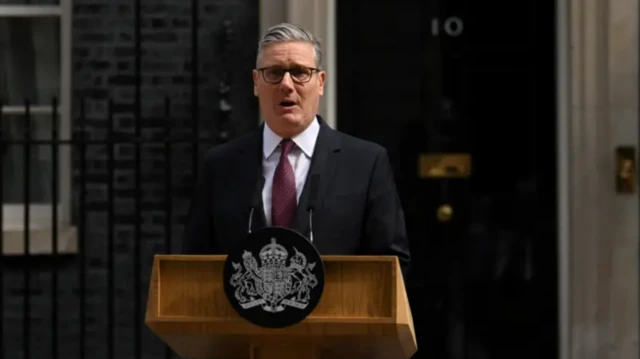
Pressure had been mounting on Starmer for months amid declining public support and growing unease within Labour ranks. Internal criticism intensified following a series of controversies, including scrutiny over his decision to appoint Peter Mandelson as the UK’s ambassador to the United States last year.
The turning point came after Labour suffered heavy setbacks in May’s elections to the Scottish and Welsh parliaments and local council contests across parts of England. Many Labour MPs had viewed the elections as a crucial opportunity for Starmer to restore confidence in his leadership.
The disappointing results sparked unrest within government, leading to the resignation of Health Secretary Wes Streeting and several junior ministers.
Political tensions deepened when an ally of Andy Burnham stepped down as MP for Makerfield, creating an opening for the Greater Manchester mayor to return to Westminster and pursue the Labour leadership.
Starmer had earlier prevented Burnham from contesting a February by-election, but growing pressure from MPs after the election losses weakened his authority to block another comeback.
His position became more fragile following internal disputes over defence spending, culminating in the resignation of Defence Secretary John Healey earlier this month.
Burnham’s subsequent victory in Makerfield, where Labour increased its majority over Reform UK, further boosted calls within the party for a change in leadership.
Although Starmer initially signalled his intention to fight any leadership challenge, reports suggest several cabinet colleagues privately encouraged him to step aside.
After considering his position over the weekend, Starmer concluded he no longer had sufficient backing among Labour MPs to continue and decided to resign.
