

Eid-el-Kabir Rush: Kano Henna Artists Earn Up to ₦300,000 in One Week

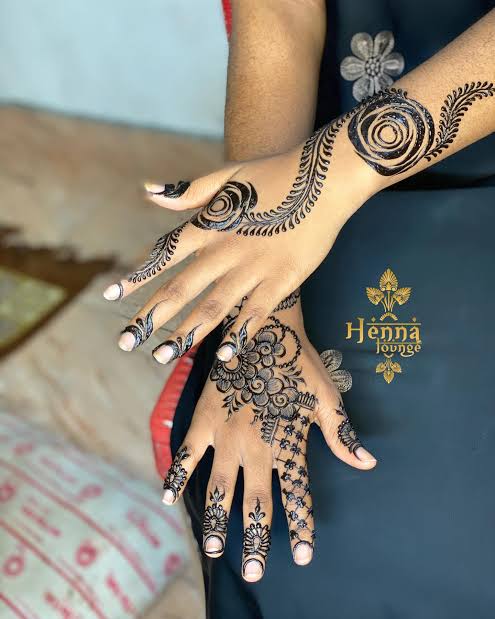
Henna artists in Kano are enjoying a major business boom ahead of the Eid-el-Kabir celebration, with some reportedly making as much as ₦300,000 within a week due to increased patronage.
Henna, popularly known as “kunshi” in Northern Nigeria, is a traditional dye made from the leaves of the henna plant, widely used to decorate hands and feet during festive occasions such as Sallah, weddings, and naming ceremonies.
A survey conducted by the News Agency of Nigeria (NAN) revealed that the festive season has significantly boosted demand for henna designs, especially among women, teenagers, and children preparing for the celebration.
One of the artists, Aisha Abubakar, said business has improved this year as customers troop in daily for various styles of designs.
According to her, many clients begin visiting about five days before Sallah, with patronage continuing throughout the festivities.
“We offer different styles including pattern designs, zane, and sticker designs. Pattern designs are more expensive because they require more materials, and most customers prefer them,” she said.
Abubakar disclosed that she attends to at least 20 customers daily and operates from as early as 5:00 a.m. until about 3:00 a.m. during the busy period.
She added that she employs three staff members to meet the growing demand.
The artist, however, identified the use of body lotion by some customers as a challenge, noting that it affects how well the henna sticks to the skin.
She also noted that business usually continues after Sallah because of weddings and other social events.
Another henna artist, Summayya Musa, said although patronage was slightly lower compared to last year’s Eid-el-Kabir, business remained profitable.
She said customers started arriving five days before the celebration and that she also attends to about 20 people daily.
Musa explained that she charges around ₦2,500 depending on the design selected and has maintained her prices despite rising costs of henna materials.
“The materials are now very expensive, but we still keep our prices affordable for customers,” she said.
She added that all her customers visit her residence for the service, while she and her two staff members work from 5:00 a.m. until around 2:00 a.m. daily.
Meanwhile, some residents prefer applying henna themselves to cut costs.
A Kano resident, Bilikisu Shu’aibu, said she buys henna materials from the market and spends less than ₦1,000 doing the designs at home for herself and her children.
“I cannot imagine celebrating Sallah without henna because it is part of our tradition and it makes us look beautiful,” she said.
