

WHO Declares Hantavirus Outbreak Over, Raises Alarm Over Worsening Ebola Crisis in DRC

The World Health Organization (WHO) has officially declared the recent Hantavirus outbreak over after the last person exposed during the incident completed quarantine, tested negative and returned home.
Speaking during an online briefing on Thursday, WHO Director-General, Tedros Adhanom Ghebreyesus said no new Hantavirus infections had been recorded since May 25, bringing the international public health response to an end.
According to him, the outbreak resulted in 13 confirmed cases and three deaths. More than 650 contacts across 33 countries and territories were identified and monitored, helping to halt further transmission through coordinated surveillance and quarantine efforts.
Despite declaring the outbreak over, Tedros said WHO would continue scientific investigations to improve understanding of Hantavirus transmission and disease progression. He added that the organisation was coordinating a multinational study involving 21 countries to support the development of better diagnostic tools, treatments and vaccines.
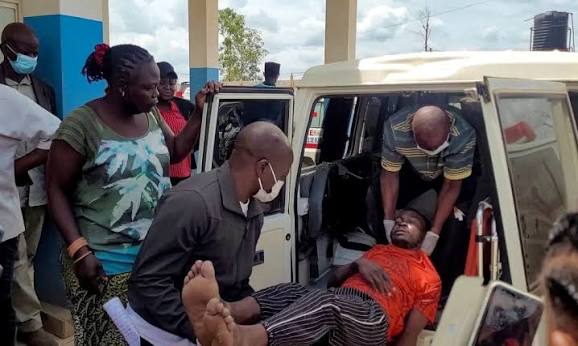
The WHO chief, however, warned that the Ebola outbreak in Democratic Republic of the Congo continues to worsen, with the country recording an average of 38 new confirmed cases daily over the past two weeks.
As of July 2, the DRC had confirmed 1,406 Ebola cases, including 438 deaths, making it one of the region’s most challenging public health emergencies.
Tedros said response efforts had expanded significantly, with testing capacity increased to 10 laboratories closer to affected communities and about 80 per cent of identified contacts now under monitoring.
He noted that treatment capacity had risen to about 650 beds across 22 health centres, although nearly 96 per cent of the available beds were occupied. WHO and its partners, he said, are working to establish an additional 300 treatment beds.
He also announced the enrolment of the first patient in the PARTNERS clinical trial evaluating the effectiveness of the monoclonal antibody MBP134 and the antiviral drug Remdesivir, both individually and in combination.
According to him, the study is being coordinated by the DRC’s National Institute for Biomedical Research in collaboration with WHO and international partners, with participants receiving comprehensive medical care and close monitoring.
Tedros further disclosed that WHO had granted emergency use listing for the first molecular diagnostic test specifically designed to detect the Bundibugyo virus, describing it as a major step in strengthening outbreak preparedness.
He expressed concern over persistent insecurity, revealing that an Ebola treatment centre in Ituri Province was recently attacked, leaving two people dead, forcing patients to flee and damaging parts of the facility.
He condemned attacks on health facilities, warning that such incidents endanger patients and healthcare workers while undermining efforts to contain disease outbreaks.
The WHO chief also reported positive developments in Uganda, where no new Ebola cases have been recorded since June 21. However, he confirmed that a case of Marburg virus disease had been detected in Kyegegwa District through enhanced Ebola surveillance, with all identified contacts currently under observation and showing no symptoms.
Tedros said the simultaneous outbreaks of Hantavirus, Ebola and Marburg underscored the need for stronger international cooperation in responding to global health emergencies.
He added that WHO member states would resume negotiations next week on the Pathogen Access and Benefit Sharing system under the WHO Pandemic Agreement.
Beyond infectious diseases, Tedros expressed concern over the devastating earthquake in Venezuela, which has claimed more than 2,300 lives, injured over 5,000 people and displaced nearly 16,000 others. He said WHO had released $1.5 million from its Contingency Fund for Emergencies and deployed more than six metric tonnes of emergency medical supplies.
He also highlighted air pollution as a major but under-recognised global health threat, noting that about 6.5 billion people remain exposed to dangerous levels of fine particulate matter (PM2.5), contributing to an estimated 6.7 million premature deaths each year, particularly in low- and middle-income countries across sub-Saharan and Northern Africa.
Tedros further called for stronger regulation of social media platforms to protect children and young people from harmful online content, misinformation, addictive platform designs and excessive data collection, warning that these pose growing risks to their mental health.
